
How to choose Splatoon Raiders weapons without a fake tier list
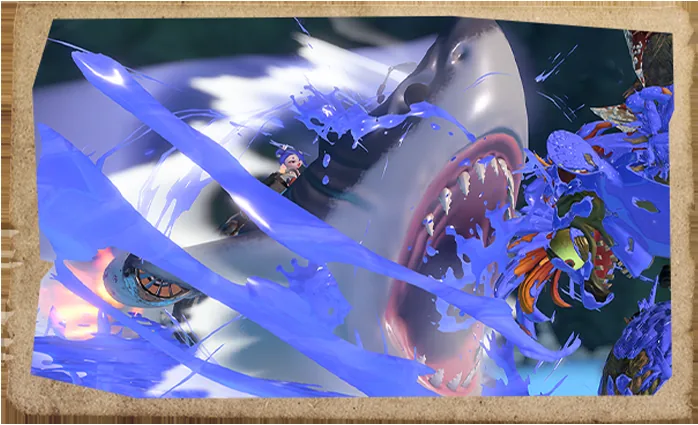
Splatoon Raiders weapons should be chosen by the job you need to repeat: hold a safe line, cover ground, recover after a mistake, pressure a boss, or keep a group session stable. Nintendo's product pages describe weapons alongside mechanical tanks, gadgets, gear upgrades and ink movement, but they do not publish a complete public table of damage, range, fire rate or a final best-weapon ranking.
That makes a role-based weapon guide more useful than a confident number chart. Start with the kind of situation you expect to face, test whether the weapon keeps its ink and movement loop comfortable, and only then add gear or gadget choices. The recommendations below are guide interpretation; the confirmed facts and the unverified boundaries are kept separate.
For a first session, choose a forgiving control pattern, learn how your ink creates both offense and movement, and record what actually changes when you upgrade. Returning players can then optimize for route speed, boss pressure or multiplayer support without mistaking a marketing description for a complete weapon database.
What Nintendo confirms about weapons, tanks and gadgets
The official Nintendo US product page describes a single-player-focused adventure on the Spirhalite Islands. It says the player can customize a character, use mechanical gadgets and ink-splattering weapons, face Salmonids, salvage materials, and craft or upgrade equipment for later raids. The Nintendo Australia page adds a useful system-level description: Speed, Power and Tactical ink tanks shape playstyle, each tank has its own gadgets, and Relic Powers can modify a build.
Those statements support a flexible loadout guide, but they do not answer every question a player may ask. The public product copy does not provide a complete weapon roster, frame data, exact range chart, damage values, upgrade costs or a universal ranking. Treat a specific number found in a community post as a lead to verify, not as a fact this page can repeat without a source.
The practical implication is simple: compare the loop you can observe. Does the weapon let you create ink where you need it? Can you refill and move safely? Does its gadget cover the same weakness, or does it make the build harder to recover? These questions remain useful even when a later update changes balance details.
- Confirmed: Nintendo Switch 2 platform and a single-player-focused adventure.
- Confirmed: weapons, mechanical gadgets, tanks, gear upgrades and ink-based movement are part of the product description.
- Confirmed: the official pages describe online and local wireless help for up to three other players.
- Not confirmed here: a complete weapon count, numeric stats, tier ranking or exact upgrade curve.
Read weapon roles through the situation, not the label
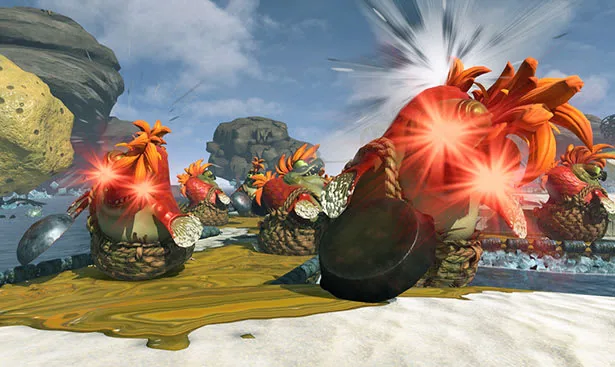
A role is a repeatable job, not a permanent class. A control-focused option may be comfortable when you need safe ink coverage, while a mobility-focused option may be better when a route asks you to cross exposed ground. The same weapon can feel different after a tank, gadget or gear change, so the matrix below is a decision aid rather than a claim about hidden stats.
When you test a weapon, write down the moment that caused the failure. Did you lose space because you could not cover the floor, run out of ink while retreating, miss a boss opening, or take too long to help another player? That note tells you which role to try next and prevents a vague search for the single strongest weapon.
| Role | Good when | Trade-off to watch |
|---|---|---|
| Control | You need reliable ink coverage and a stable line | May feel slower when the route keeps moving |
| Mobility | You need to cross ground, reposition or escape | Can punish missed movement or poor ink planning |
| Coverage | The objective depends on space and refill paths | May need more time before a target is pressured |
| Pressure | A boss or dense wave gives short attack windows | Aggressive play can expose recovery gaps |
| Recovery | You are learning controls or helping a group reset | Lower immediate pressure may extend an encounter |
How beginners should choose a first weapon
A beginner-friendly weapon is not automatically the weapon with the biggest advertised effect. It is the option that makes the next decision visible. If you can see where your ink is safe, how to refill, when to move and when to stop firing, you can improve from a real observation instead of blaming an unknown stat.
Start with one short test route. Use the same weapon long enough to notice its refill rhythm, movement cost, safe distance and recovery after a missed attack. Change one part of the loadout at a time. Swapping the weapon, tank and gadget together makes it impossible to tell which change helped.
After the test, keep the weapon if it solves the mistake you wrote down. Move to a different role if the same problem repeats even after you slow down. That is a more reliable beginner process than copying a tier list that may describe another player's progress, controls, update version or multiplayer role.
- Pick the problem first: control, movement, coverage, boss pressure or recovery.
- Test one route with one meaningful loadout change at a time.
- Record refill comfort, movement safety and how quickly you recover from a miss.
- Keep a weapon because it fits your repeatable situation, not because a list calls it best.
Match weapon choice to the pressure in front of you
A route changes the value of a weapon. Open ground rewards a different comfort pattern from a tight corridor, a vertical movement check or an arena that repeatedly sends enemies from several directions. Before you call a weapon weak, ask whether the problem is its role or the route's demand. A player who needs safe traversal may value mobility and coverage more than burst pressure.
For enemy waves, look at the first few seconds rather than only the final hit. Can you establish a safe ink path? Can you see the next threat while refilling? Can you retreat without crossing unpainted ground? These are practical signs that a loadout is helping. They also give you useful notes for a future map or Blue Compass page without pretending that the current public sources contain a complete route database.
Boss pressure is a separate check. A weapon that feels comfortable for ordinary movement may not give you the timing or reach you want during a short opening. Keep the guide language conditional: choose the setup that made the encounter readable in your test, then verify whether the game gives you a better upgrade or gadget before making a permanent recommendation.
Pair weapons with gear and gadgets carefully
Nintendo's product description makes the build wider than a weapon name: tanks have different playstyle directions, gadgets can be customized, Relic Powers can add adjustments, and salvage can improve equipment and the Hideout Ship. The safest interpretation is that players should expect meaningful loadout decisions, not that every item has a public competitive ranking.
Pair the weapon with the weakness you actually observed. If you lose space, look for coverage or a safer movement option. If you reach a target but cannot finish the pressure window, test a power or gadget change. If you survive but spend too long recovering, prefer a setup that makes refill and retreat easier. Keep the test narrow so a later update can be compared against an older note.
Amiibo is a separate buyer question, not a substitute for weapon testing. Nintendo's US page says a Splatoon series amiibo figure can unlock stylish outfits for the Mechanic. For compatibility and buyer wording, use the site's verified amiibo guide rather than mixing cosmetic information into a weapon ranking.
- Change one variable at a time: weapon, tank, gadget or gear effect.
- Use the observed weakness to choose the next test instead of chasing a generic best build.
- Record whether the change improves control, movement, coverage, pressure or recovery.
- Keep cosmetic amiibo information separate from combat-performance claims.
Prepare a weapon plan for solo and multiplayer raids
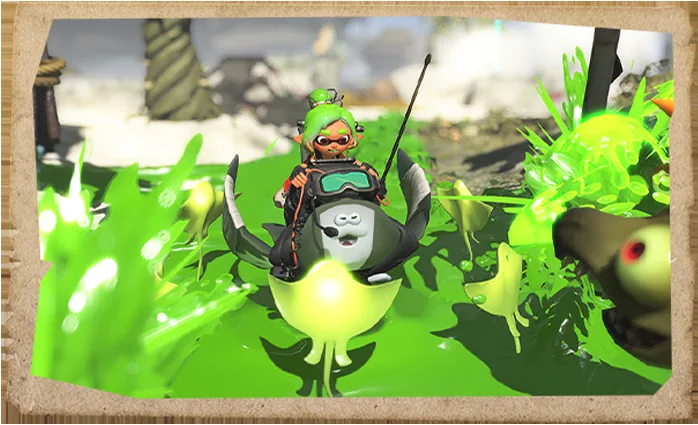
The official pages describe the game as single-player-focused while also listing online and local wireless play for two to four players. That means a weapon that feels excellent alone may not be the most useful group choice. In a group, make your role legible: someone should be able to tell whether you are creating safe space, moving quickly, applying pressure or helping recovery.
For online play, Nintendo's US product page says Nintendo Switch Online membership, a Nintendo Account and internet access are required for online features. Local wireless has a different setup; the Nintendo Australia page specifies one console and one copy per player. These are session requirements, not weapon stats, but they change whether a multiplayer loadout test can happen at all.
Before inviting friends, run a short solo check, choose the role you want to contribute, and explain what you are testing. After the session, keep confirmed observations separate from assumptions about every stage or future raid. The existing multiplayer guide covers the connection and player-count boundary in more detail.
- Solo: learn the refill, movement and recovery rhythm before optimizing speed.
- Local wireless: confirm each system and copy before planning the session.
- Online: confirm accounts, membership, internet access and the invite flow.
- Group: describe the role you are testing so a weapon choice has a visible purpose.
What to verify before trusting a weapon claim
This page intentionally does not publish a weapon count, damage chart, range ranking or claim that one loadout is best for every player. The public official pages support the existence of weapons, tanks, gadgets, upgrades and ink movement, but a complete stat database needs a first-party table or repeatable in-game testing. A community post can be useful evidence, but it should carry its source, version and test conditions.
Recheck the official product page when Nintendo changes edition wording, play requirements, or the description of a tank or gadget. Recheck a local game session after a patch before calling an old recommendation current. If a future update adds a documented roster or balance note, this guide can grow into a table without rewriting the role framework.
For now, the durable answer is a method: identify the situation, choose a role, test one change, record the result, and keep the source boundary visible. That is enough to make Splatoon Raiders weapons research useful without turning incomplete public information into false precision.
Splatoon Raiders weapons FAQ
What is the best Splatoon Raiders weapon for beginners?
There is no verified public best-weapon ranking in the sources used here. Start with the role that fixes your most common mistake, then choose the weapon whose refill, movement and recovery rhythm you can read consistently.
How many weapons are in Splatoon Raiders?
The official product pages describe multiple weapons but do not provide a complete public weapon count in the material checked for this guide. Do not copy an unverified roster number into a recommendation.
Can you make a Splatoon Raiders weapon tier list?
A static tier list would overstate the available evidence. Weapon value depends on route pressure, upgrades, gadgets, player comfort and whether you are playing alone or with friends, so a role matrix is safer until a sourced stat table exists.
Do Splatoon Raiders weapons have upgrades?
Nintendo describes leveling up weapons, upgrading gear and improving the Hideout Ship. The exact upgrade curve, costs and stat changes should be checked in the game or a documented first-party update before being presented as fixed numbers.
Do weapons matter in Splatoon Raiders multiplayer?
They can matter as part of a group's role plan, but the official pages do not publish a complete multiplayer weapon meta. Confirm the mode and player requirements first, then test whether your setup creates coverage, mobility, pressure or recovery for the group.
Where can I verify Splatoon Raiders weapon information?
Start with the official Nintendo US and Nintendo Australia product pages linked below for platform, feature, player-count and system wording. Use in-game testing or a clearly sourced update for exact roster or balance claims.
Official pages used for this weapons guide
Nintendo's regional product pages support the platform, weapon, tank, gadget, gear and player-requirement statements in this guide. Regional wording and product details can change, so check the relevant page again before treating a time-sensitive detail as current.
- Nintendo US: Splatoon Raiders product page and feature description
- Nintendo Australia: Splatoon Raiders weapons, gadgets and game specifications